
27/11/2025

Via privata Molina 80/7 – 80/9, Vignate (MI)

02 95361055

info@fitex.it

Effective maintenance of drive belts is essential to ensure production continuity, precision, and durability of industrial sewing machines. Underestimating this aspect can lead to unexpected costs and loss of quality.
In this article, Fitex helps you recognize the signs that should not be underestimated and implement the right strategies to avoid problems related to wear and tear, as well as identify and use the most suitable, high-quality accessories.
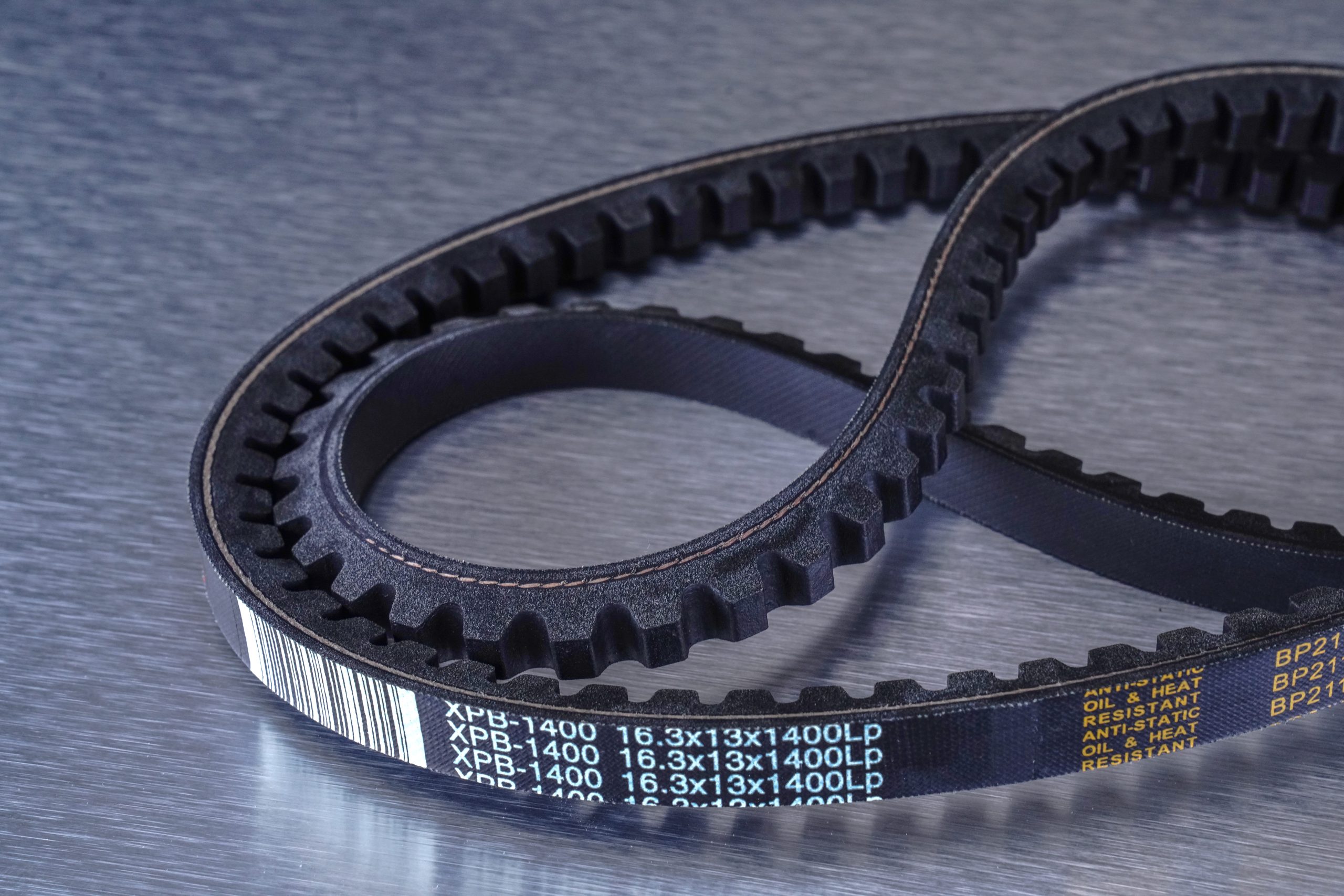
Belts are crucial elements in the operation of industrial sewing machines: they transfer movement and ensure smooth operation. If neglected, they can become loose, damaged, or broken, causing problems that are often serious.
With regular maintenance, however, you can achieve greater sewing stability, less vibration, and a longer service life for the entire system.
And what are the most common problems caused by worn belts? Let’s take a look at them together.
Skip stitching and uneven quality
A worn belt can cause discontinuous movement, with loss of control in fabric transport. The result is misaligned or imperfect stitching.
Loss of speed and uneven running
When the belt loses tension, transmission becomes inefficient: the machine may slow down or exhibit unstable behavior.
Abnormal noises and vibrations
Unusual noises or excessive vibrations can be indicators of a worn or loose belt.
Sudden breakage and machine downtime
If not checked in time, a damaged belt can break and force an unplanned stop, as well as causing damage to the machine.
What are the main causes of belt wear? Let’s look at the most common ones
● prolonged use of the machine which, if not checked, can lead to belt wear over time, even if it appears to be in good condition;
● voltage fluctuations: incorrect adjustments or load fluctuations can cause mechanical imbalance;
● accumulation of dust and debris: inadequate cleaning of the sewing machine can hinder smooth running and, consequently, increase friction;
● unfavorable environmental conditions: humidity, temperature changes, and excessive heat greatly affect the durability of the material;
● Use of non-original spare parts: low-quality materials wear out more quickly and compromise overall performance.
Signs such as visible cracks, abnormal stretching, sudden slippage, or unusual noise indicate that the belt is about to fail. The presence of black dust caused by friction or a change in the machine’s rhythm are also warning signs.
We recommend performing a visual inspection at least once a month, accompanied by periodic checks on mechanical performance.
Good maintenance is based on three pillars: regular cleaning with suitable tools (blowing, dry cloths), scheduled checks at least every three months, and compliance with the conditions of use. It is important to avoid excessive strain and overheating, and to always ensure the correct belt tension. An initial investment in quality belts can result in a significant reduction in long-term maintenance costs.
If you notice a drop in performance, increased noise, or abnormal vibration, the belt probably needs to be replaced. In general, it is a good idea to consider replacing it every 12-18 months, especially if the machine is used daily. Fitex offers a range of belts for industrial sewing machines, specifically designed to ensure reliability and durability.
How often should the belt be checked?
At least once a month, especially in high-production environments.
What are the most obvious signs of wear?
Unusual noises, vibrations, slippage, and black dust near the belt.
What happens if I continue to work with a worn belt?
There is a risk of sudden breakage, sewing errors, and damage to the machine.
Is it better to replace it yourself or call a technician?
For a precise and safe replacement, it is advisable to rely on experienced personnel.
Thanks to years of experience in the textile industry, Fitex offers a selection of belts and spare parts to suit the needs of every workshop. Each product is chosen to ensure reliability, durability, and professional performance.
📲 Download the Fitex app to browse the catalog, manage orders, and stay up to date with the latest news.



Every day, a promotion on an item we have in stock: join our mailing list and take advantage of the benefits!
Already know which item you need?
Order it directly from our app, available for Android and iOS.