
27/11/2025

Via privata Molina 80/7 – 80/9, Vignate (MI)

02 95361055

info@fitex.it

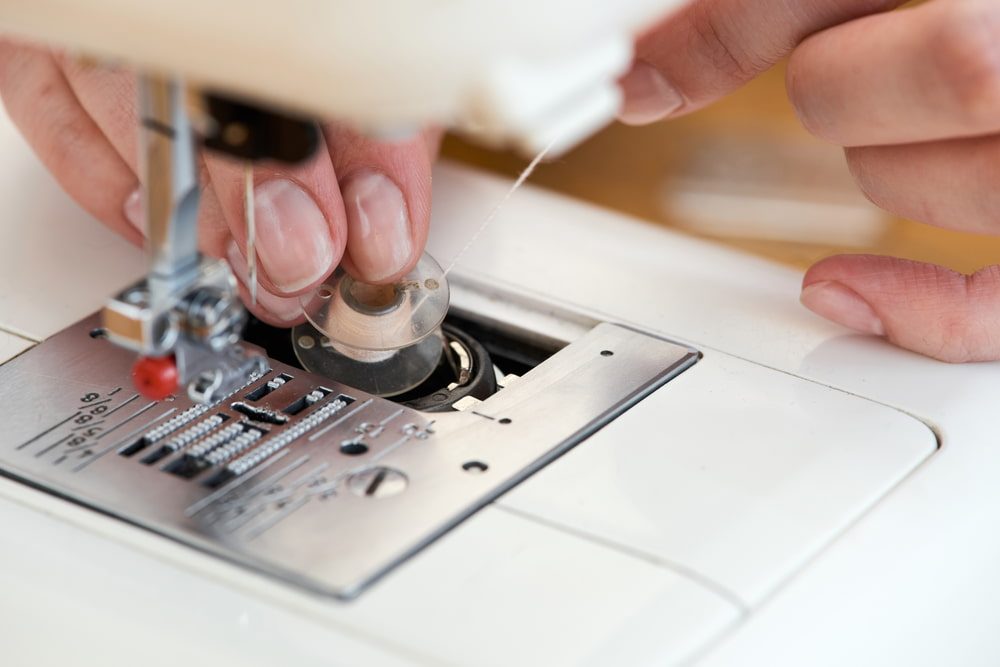
The bobbin (also known as the bobbin or bobbin) is a very important component of the sewing machine because it is what contains and allows for the proper release of the lower thread that, together with the upper thread carried by the needle, helps form the stitches. Its proper handling and maintenance are essential to ensure smooth, high-quality sewing. Using compatible bobbins, loading them correctly, and keeping the mechanism clean and well-adjusted helps to achieve optimal results and prolong the life of the sewing machine.
A sewing machine bobbin is shaped like a small cylinder, usually made of plastic or metal, which is used to hold the lower thread and works in sync with the needle and looper in order to create even, solid stitches. The bobbin is inserted into a bobbin case (also called a capsule or cylinder), which is located at the bottom of the sewing machine, below the needle plate.
The bobbin thread is pulled upward by the looper as the needle carries the top thread through the fabric, forming a loop, which is then caught by the bottom thread of the bobbin to close the stitch.
The size and capacity of bobbins can vary depending on the model of sewing machine. It is very important to use a bobbin that is compatible with your machine model, just to ensure proper operation and prevent problems such as stitch skips, uneven tension and jams. Plastic bobbins are lightweight and generally cheaper, but they can wear out faster than metal bobbins, which are more durable but also heavier. Some modern sewing machines are equipped with automatic winding systems, which simplify the process of filling the thread on the bobbin. With this system, the thread is wound evenly so that constant tension is maintained during sewing.
The bobbin is part of a synchronized system of movements in which it is involved along with the needle and looper. During sewing, the needle carries the upper thread through the fabric, creating a loop when it lifts. This is where the looper comes in, which is that rotating/oscillating component of the machine that catches the loop of the upper thread and wraps it around the bobbin thread. This interaction between the upper thread and the lower thread forms the sewing stitch.
The synchronized movement between the needle and looper is crucial to proper stitch formation. The needle descends, penetrating the fabric and bringing the upper thread toward the looper. As the needle rises, the looper, in rotation or oscillation, grabs the loop of the upper thread and pulls it around the bobbin. This process binds the two threads together, forming a secure stitch.
The bobbin thread must be wound evenly to ensure consistent tension during sewing. Uneven winding can cause tension problems, such as uneven stitches or thread breakage. The thread tension of the bobbin is adjusted by the bobbin holder, which may have a small screw that allows the thread tension to be increased or decreased.
Correct insertion of the bobbin into the bobbin holder ensures proper operation of the machine, because misplacement of the bobbin can cause tension problems and compromise sewing quality. Most modern sewing machines also include a visual guide or indicator to ensure that the bobbin is inserted correctly.
Finally, bobbins should be kept clean and free of lint and thread residue so as to avoid jams and allow for smooth thread flow. A dirty or damaged bobbin, in fact, can cause annoying operational problems, such as missed stitches and jams. Therefore, it is recommended to always have spare bobbins on hand, perhaps loaded with different colors of fabric, so as to facilitate thread changes during complex projects without having to interrupt the workflow.
When choosing a sewing machine bobbin, it is necessary to consider some crucial factors, such as the type of sewing machine you own, the type of sewing projects you intend to carry out, and your personal preferences.
Among the best models on the market, the bobbins manufactured by Brother (very popular those of model SA1569 are highly recommended for all Brother machines, but they may be adaptable to models of other manufacturers and preferable for their robustness and compatibility, which ensures their consistent performance.
Singer Class 15 J transparent bobbins are highly valued for their ability to clearly show the amount of thread remaining, preventing interruptions during work. Husqvarna Viking Bobbins, on the other hand, are known for their high quality and durability, making them perfect for longer and more complex projects.
In general, it is always very advisable to choose bobbins that are expertly built and made of quality materials, precisely to ensure efficient work without continuous interruptions due to component imperfections. So, if any doubts remain, the advice is to rely on experts in the field to be best advised on the purchase to be made.
In this regard, if you are looking for a quality bobbin for your sewing machine, do not hesitate to contact Fitex, a company that has specialized for almost half a century in the trade and production of spare parts, mechanical parts, accessories and complex solutions for the textile industry.
Backed by experience gained over many decades and an assorted warehouse that can boast more than 50 thousand parts, we are able to guarantee you all the specialized assistance you need and prompt shipment of your order.
Andrea Ferroli
Nadia Leonarduzzi


Every day, a promotion on an item we have in stock: join our mailing list and take advantage of the benefits!
Already know which item you need?
Order it directly from our app, available for Android and iOS.