27/11/2025

Via privata Molina 80/7 – 80/9, Vignate (MI)

02 95361055

info@fitex.it

Sewing machine accessories are indispensable elements in the textile industry because they contribute to improving the efficiency and precision of the entire production process. In fact, accessories expand the basic capabilities and functionality of machines, encouraging innovation and customization of processing. By investing in the right accessories, textile professionals can achieve greater productivity, maintain higher standards and remain competitive in a rapidly changing market. The seemingly insignificant addition of a presser foot or specialized guide, for example, can really make a difference, turning a good sewing machine into a tool of exceptional versatility.
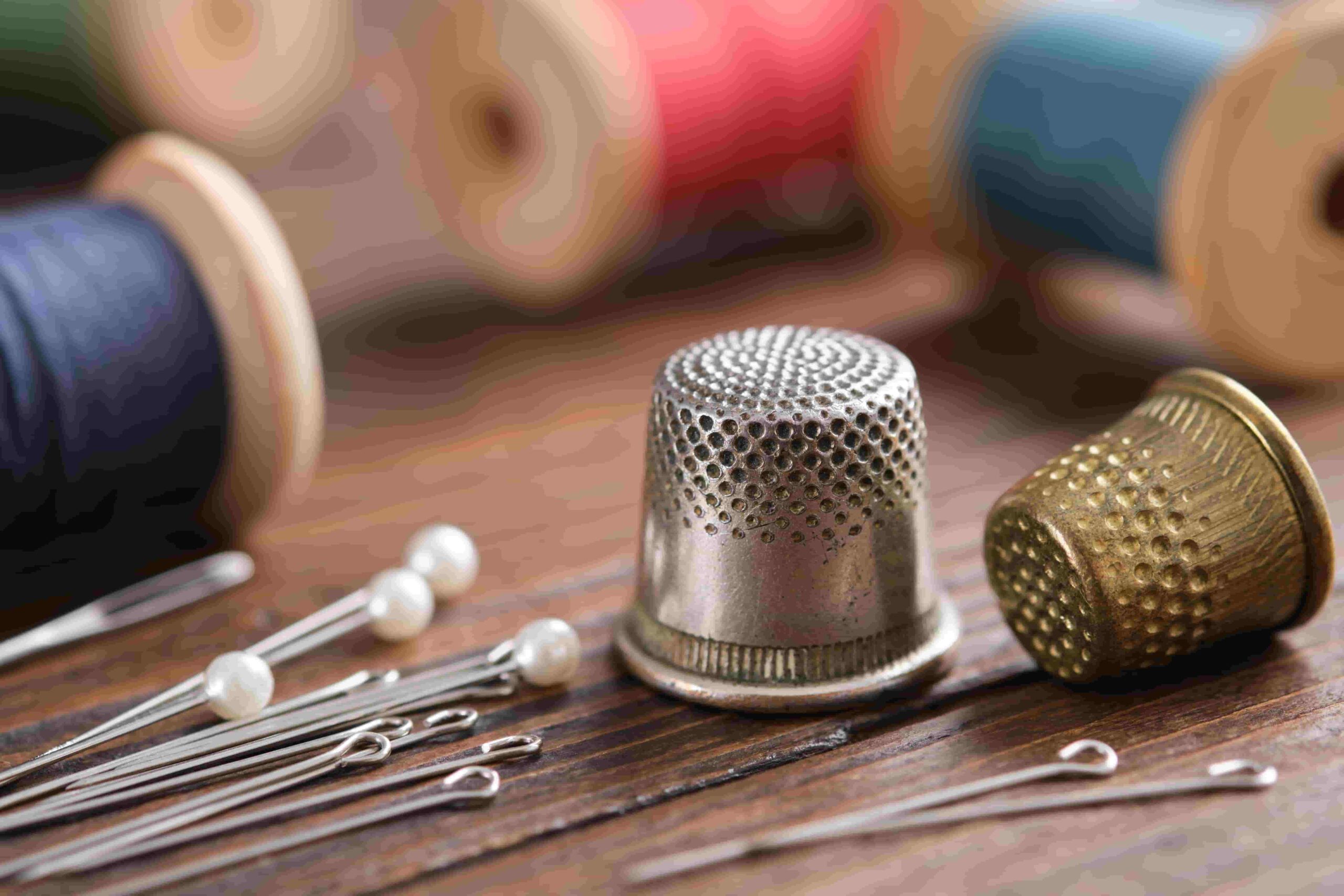
While it is true that in the textile industry the sewing machine is the hub, the indispensable basis of a production process that transforms raw fabrics into finished products, it is equally true that its real potential is expressed through its accessories. Not just simple add-ons, but very important tools that improve efficiency and precision, promoting quality and innovation in textile production.
Accessories such as presser feet, quilting guides and automatic threaders, among others, greatly simplify the sewing process, lowering operators’ physical stress and lead times. The presser foot, for example, ensures an even fabric feed, which is very important when working with multiple layers or difficult fabrics such as leather. This not only speeds up the sewing process, but also reduces the risk of fabric curling and misalignment, for more uniform and consistent results.
The provision of accessories results in an increase in overall accuracy, a key aspect in the textile industry, where even the slightest imperfections can result in a not inconsiderable increase in costs. In this regard, edge guides, stitch adjusters and special feet come to our aid to maintain a consistent seam allowance and ensure uniform stitch lengths, which is particularly important in quilting and embroidery, where detailed and intricate designs are commonplace.
Accessories also greatly expand the capabilities of standard machines, enabling a wider range of creative and functional applications. Embroidery hoops, drawstring feet and buttonhole attachments, in particular, enable complex designs and techniques that would otherwise be particularly difficult if not impossible with a basic configuration.
Finally, while considered anything but a marginal aspect, accessories also play a crucial role in sewing machine maintenance. Needle threaders, bobbin winders and cleaning brushes contribute to the routine maintenance of the machine, ensuring its longevity and optimal performance while preventing common problems such as thread jams and uneven stitching.
As we have seen to some extent before, presser feet are probably the most important and versatile accessories. There are ones for every type of sewing: presser feet for zippers, for invisible hems, for embroidery, for quilting, and many more. Each presser foot is designed to perform a specific task with precision, facilitating operations that would otherwise require much more skill and time. By using the correct presser foot, it is therefore possible to turn complex work into a quick and easy process, with a significant increase in the overall quality of the final product.
Small but very important, bobbins (or bobbin bobbins) are essential components in achieving a steady and smooth flow of thread during stitching. Their quality directly affects the regularity of stitches and the prevention of thread breaks, a frequent cause of interruptions and delays in production. To function properly and maximize productivity, bobbins must be compatible with the specific model of sewing machine.
Crochets, on the other hand, are responsible for correctly interlacing the bobbin thread (lower) with the needle thread (upper). Their role is crucial for the formation of even, strong stitches. A good-quality looper minimizes thread tension problems and contributes to a smooth, continuous seam.
An often underestimated aspect, proper lighting is essential to achieving quality sewing. Sewing machine lamps, particularly LED lamps, provide bright, focused illumination on the work area, enabling operators to see even the smallest detail clearly. Good lighting reduces eye fatigue and prevents errors, especially during precision work or on dark fabrics.
Sewing machine needles should also be considered accessories in their own right. Available in a variety of types, each is designed for specific fabrics and applications. On the market, we find heavy-duty fabric needles, stretch fabric needles, leather needles, twin needles for parallel stitching, and embroidery needles. Using the right needle for each project not only improves stitch quality, but also allows you to protect your fabric and sewing machine from damage.
In addition, other accessories such as quilting guides, needle plates, compensator feet, and embroidery machine software can be very helpful in extending, optimizing, and customizing sewing machine functions. With these tools, a wide range of projects can be tackled with greater efficiency and professionalism.
Having already familiarized ourselves with the different types of accessories, we can say without any hesitation that in the textile industry the customization of working tools, especially the sewing machine, is decisive in order to achieve absolute quality work. Accessories, in fact, contribute to transforming a simple workstation into a highly specialized set capable of enhancing the entire production process.
Taking feet as an example, we have seen how there are different types depending on the materials being processed (delicate, thick, elastic fabrics, etc.). Likewise, it is important to equip yourself with different bobbins according to the type of project you are tackling, trying to predict the amount of thread needed to bring it to completion. Still, custom loops can be designed to optimize interaction with specific threads or to improve strength and durability in intensive applications. A looper tailored to the specific needs of the project not only improves stitch quality, but also reduces maintenance time and replacement costs, making the sewing process more reliable and economical.
Ultimately, customizing sewing machine accessories is a worthwhile and necessary investment because it contributes to maximizing the efficiency and versatility of the machine as well as the overall quality of the final product.
When buying sewing machine accessories, it is also important to carefully consider some relevant aspects. First, compatibility: in order to function properly and smoothly, it is essential that the accessory is fully compatible with the sewing machine model you own. Second, the quality of the materials. As in all things, with reference to accessories, it is absolutely recommended to choose products made of strong and durable materials, capable of ensuring a high life cycle and optimal performance. Not to be underestimated, we have seen this before in regard to customization, much importance should also be given to the specificity of the accessory with respect to the type of stitching or processing to be performed:
Another element that often makes a difference in the choice process, cost must be evaluated in relation to the quality and usefulness of the accessory: a higher price may be justified by greater durability and functionality, an aspect that makes the investment more worthwhile in the long run.
Finally, the reliability of the manufacturer and the availability of technical assistance and the quality of after-sales support should not be overlooked. In this regard, we invite you to discover the world of Fitex, a company that for over 40 years has specialized in the trade and production of spare parts, mechanical parts, accessories and complex solutions for the textile industry. With a warehouse of more than 50 thousand items, it guarantees fast delivery, a constantly updated catalog, the highest quality of materials, and dedicated support and advice.
Keeping accessories in good condition to ensure longevity and optimal performance requires regular cleaning to remove dust, fabric filaments, and thread residue that may accumulate during use. The use of appropriate tools, such as small brushes or compressed air, helps to reach even the most difficult-to-clean parts. To ensure smooth operation and prevent premature wear and tear, it is also essential to lubricate mechanical accessories periodically, following the manufacturer’s directions.
Another very important aspect is the proper storage of accessories, favoring clean and dry environments, thus free of moisture and dust, elements that can damage delicate materials and impair the performance of objects.
A good tip is to use specific containers or organizational boxes to store needles, pins, bobbins and other components, both to protect them from damage and to make it easier to find them when needed. In addition, accessories should be checked regularly to unearth any signs of wear and tear or damage. In the event, it will be necessary to replace defective items immediately, so as to prevent any problems and maintain a constant standard of quality work.
Following these maintenance and preservation practices not only prolongs the life of the accessories, but also ensures that the sewing machine runs efficiently and reliably, raising the overall quality of the projects completed.
Andrea Ferroli
Nadia Leonarduzzi


Every day, a promotion on an item we have in stock: join our mailing list and take advantage of the benefits!
Already know which item you need?
Order it directly from our app, available for Android and iOS.