06/03/2026

Via privata Molina 80/7 – 80/9, Vignate (MI)

02 95361055

info@fitex.it

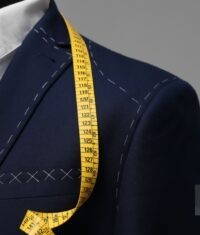
The sartorial tape measure is one of the most iconic and indispensable tools in tailoring. Simple in appearance, it has actually gone through a centuries-long evolution, adapting to technologies, the needs of craft and professional work, and the quest for ever greater precision.
But what did the measuring tape used to be like? And what has changed with the introduction of new materials and digital solutions? In this article we trace the history and evolution of the dressmaking tape measure, with a look at how to choose it today
The cure of
Andrea Ferroli
Nadia Leonarduzzi
In hand and craft tailoring, the tape measure is much more than a tool: it is an extension of the sewer’s hands. Its applications are numerous and fundamental: it is useful for taking measurements, constructing patterns, checking proportions, marking stitches and comparing lengths.
But before it was the flexible tool we know today, the tape measure had a long and curious history. Its modern standardization dates back to the period of the French Revolution, when in 1791 the Acadèmie des Sciences adopted the meter as the universal unit of measurement, basing it on a fraction of the earth’s meridian. Before then, measurements were local, imprecise and often arbitrary: each region, each trade, each guild had its own units.
The first sartorial metric tape appeared in the second half of the nineteenth century in response to precisely the need for a flexible, transportable and repeatable system of measurement. It initially consisted of cloth or linen webbing with sewn or printed measurements, designed to fit the shape of the human body. Only later came versions made of plastic, steel or fiberglass, which made the tape measure even more durable, accurate and suitable for industrial production.
Because every garment starts with a measurement. An accurate and well-maintained tape measure allows you to work accurately in cuts, maintain correct proportions in patterns, and achieve professional results in sewing. Conversely, working with a tape measure that is worn, crooked, or stretched over time can lead to millimeter errors that, when added up, can compromise the entire garment making.
The evolution of the sartorial meter has followed the pace of innovation in materials and manufacture, closely accompanying changes in the fashion and dressmaking industry. In the past, tailors used hand-sewn webbing made of linen or cotton, craft tools that, while not always guaranteeing absolute precision, were perfectly integrated into the rhythms and gestures of traditional tailoring. With industrialization came the emergence of rigid plastic, which was lighter, cheaper, and easier to print, enabling standardized, large-scale production.
Since the 1990s, the focus on accuracy has led to the spread of meters made of fiberglass and steel, materials that are crushproof, wear-resistant and capable of keeping measurements intact even after years of use. Today, in addition to classic materials, the market offers increasingly advanced digital solutions: instruments with automatic readout on display, measurement storage function and compatibility with CAD software, designed for high-efficiency production environments and tailoring workshops that integrate technology and tradition.
Today there are different types of measuring tape, designed for different needs and processing:
● the classic plastic or technical fabric tape measure is the most popular, flexible and economical, suitable for both personal and professional use;
● the fiberglass yardstick is valued for its resistance to wear and tear: it does not deform over time, and ensures lasting accuracy;
● the rigid folding tape measure is convenient for taking straight measurements or working on patterns, and it holds its shape well;
● the automatic retractable tape measure is pocket-sized and convenient for working on the go, thanks to its quick rewind system.
● The digital tape measure is designed for those who work in series or need to record measurements efficiently, ideal for industrial environments.
Choosing the most suitable meter depends on what is to be accomplished, how often and in what context. If you are looking for precision and reliability over time, a fiberglass or steel tape measure is the best option. For work on the move or in small spaces, it is definitely better to opt for a retractable tape measure. Those who work on tailored garments and need speed and digital memory may consider the latest generation of electronic models.
Fitex offers a wide selection of meters designed for every need, from craft to industrial use. Visit www.fitex.it
In recent years, sartorial measurement is undergoing a profound transformation thanks to the introduction of digital technologies and automated systems. In the industrial sector, electronic measuring devices are becoming increasingly popular, which, in addition to measuring with millimeter accuracy, allow data to be recorded and transferred directly to pattern-making or automatic cutting software (CAD/CAM).
Even in the most advanced craft workshops, digital meters with LCD displays, built-in memories and conversion functions are beginning to appear, useful for simplifying daily work and reducing errors. In some cases, 3D scanners are being used to take measurements of the human body, a particularly useful solution in bespoke tailoring and the creation of ergonomic clothing or virtual prototypes.
The goal is clear: to integrate artisan knowledge with technological efficiency, maintaining the sensitivity of the human touch but supporting it with tools that can increase the precision, speed and replicability of processes.
The sartorial tape measure is a simple but irreplaceable tool that accompanies every stage of creation from the origins of tailoring itself. Knowing its history and evolution helps you to more consciously choose the one best suited for you.
Discover also our guide on professional tailoring scissors


Every day, a promotion on an item we have in stock: join our mailing list and take advantage of the benefits!
Already know which item you need?
Order it directly from our app, available for Android and iOS.