13/03/2026

Via privata Molina 80/7 – 80/9, Vignate (MI)

02 95361055

info@fitex.it

Industrial sewing machines are complex and robust tools designed for intensive and continuous use in textile production environments. Having spare parts for these kinds of machines on hand at all times is critical to maintaining operational efficiency and stitching quality, as well as to prolonging the life of the equipment. Common spare parts include those parts most prone to wear and tear, such as needles, loops, feet, bobbins, drive belts, motors, oil filters, motor brushes, electronic controls, pedals and lights.
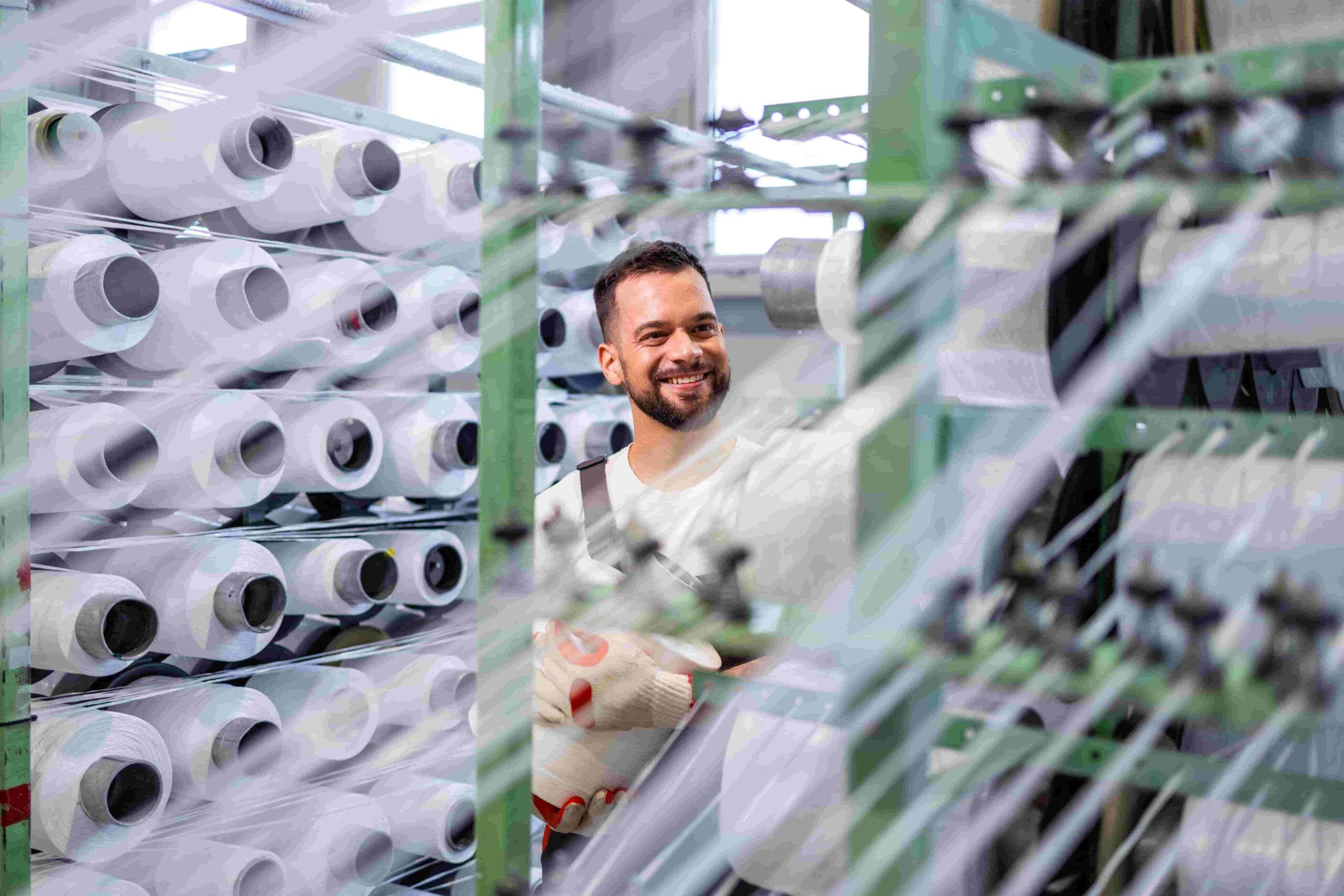
Industrial sewing machines are composed of a wide range of essential components that need to be periodically maintained and replaced to ensure their proper functioning at all times.
Needles are one of the most frequently replaced parts even in professional machines. Designed to penetrate thick and multiple layers of fabric without breaking or bending, due to heavy use they can deteriorate and break quickly. They must therefore be replaced immediately so as to avoid the occurrence of skipped stitches and uneven seams.
In order to maintain the accuracy and quality of stitching, averting annoying mishaps (thread breakage, skipped stitches), it is very important to maintain and replace the looper, a key component that interacts with the needle to form the stitch. Industrial sewing machines often use high-quality loops that are specially designed to withstand extreme working conditions.
Foot replacement, on the other hand, allows the machine to be adapted to various production processes, improving its versatility and enabling it to tackle many different projects. There are various types of them, according to different stitching operations (for buttonholes, for zippers, for invisible hems, and for decorative stitching), and their periodic replacement ensures that the fabric always runs smoothly.
Industrial sewing machines use high-quality bobbins, deputed to maintain proper thread tension. When they become damaged, one can run the risk of making uneven seams that compromise the quality of the project.
In high-intensity production settings, the drive belts, which connect the motor to the machine’s internal mechanics, are highly stressed and sometimes become loose or, worse, break, negatively affecting the machine’s performance in terms of power and speed. Therefore, their periodic replacement is also advisable, especially so as not to affect the health of the engine. Indeed, industrial machines often use powerful and durable motors, but these must be carefully preserved and kept at peak efficiency at all times. Recourse to specialized repair or the purchase of a new motor is a setback that leads to a not insignificant increase in production costs. We therefore recommend frequent cleaning and replacement of brushes and oil filters to ensure adequate lubrication of moving parts.
Electronic controls and pedals, which regulate the speed and operation of the machine, are also components that may require replacement. A faulty pedal or malfunctioning electronic control can cause problems with erratic speed, hindering the maintenance of a constant rhythm during stitching.
Finally, the management of worktable lighting, an essential element for anyone working on an industrial sewing machine. Having adequate lighting allows you to work more accurately, having a clear view of the stitching lines and fabric details. It is good practice, therefore, to immediately change burned-out bulbs with ones suitable for the specific machine model.
Before purchasing replacement parts for industrial sewing machines, it is essential to consider a number of features that will affect the compatibility, quality, and durability of the parts. A thorough understanding of these aspects will ensure that the spare parts purchased will improve machine performance and reduce downtime due to breakdown or maintenance.
The first aspect to consider is the compatibility of the spare part with the specific model of the industrial sewing machine. Each model has specific mechanics and not all spare parts can be used on different models; therefore, choosing compatible items ensures proper installation and prevents the occurrence of any operational problems.
The quality of spare parts is another factor that should not be underestimated. High-quality parts tend to last longer because they are designed and tested to work perfectly with the specific machine model. However, there are also high-quality third-party parts that can be considered, as long as they are manufactured by reliable, industry-recognized suppliers.
Although it can be a strong temptation to opt for the cheapest spare parts, it is important to consider value for money. Cheaper spare parts may incur additional costs in the long run due to more frequent replacement and possible failure. Investing in good quality spare parts, on the other hand, can reduce maintenance costs and improve operational efficiency.
In order to avoid prolonged workstation downtime, one factor that can play a role in choosing a replacement part can be its immediate availability. Working with suppliers who offer fast lead times and have ample stock availability can make a difference in terms of operational continuity. In any case, in order not to miss even a few hours of work, we recommend that all professionals in the field create an adequate stock of the components most subject to wear and tear, such as needles, bobbins, and pins, in the warehouse.
Preferring high quality spare parts is a wise and far-sighted strategy if the optimal operation of industrial sewing machines is to be preserved for a long time. There are several reputable brands that offer high-quality spare parts, which very often coincide with the same manufacturers of the most popular machine models on the market. Opting for spare parts from reputable brands such as Singer, Juki, PFAFF, Brother, Seiko, Necchi, and Durkopp may entail a higher initial investment, but one that is amply amortized by the product’s long life cycle.
To make sure that you are buying genuine and warranty-covered parts, we recommend that you always go to authorized and certified dealers.
In this regard, we at Fitex are a company that has specialized for almost half a century in the trade and production of spare parts, mechanical parts, accessories and complex solutions for the textile industry.
With many decades of experience and an assorted warehouse that can boast more than 50 thousand parts, we guarantee you all the specialized assistance you need and very fast order shipments.
Contact us directly to request the Necchi machine part you are looking for and receive a personalized quote!


Every day, a promotion on an item we have in stock: join our mailing list and take advantage of the benefits!
Already know which item you need?
Order it directly from our app, available for Android and iOS.